
"coffee auction Ethiopia"
700 article(s) found

Introduction to the flavor and taste characteristics of Ethiopian coffee manor with moderate acidity and alkalinity
Sidamo Coffee this coffee grows in areas ranging from 1400 to 2200 meters above sea level on the shoulder slopes of the Rift Valley in East Africa. Natural (sun-cured) and washed coffee are of unique quality, moderate pH and good quality. It is estimated that out of 61000 hectares of cultivated area, the average annual production of this coffee is 37000 tons (equivalent to 620000 bags of 60 kg coffee). Harald

How did Sidamo sidamoG2 Coffee come from? how do you grade Sidamo coffee beans?
Communication of professional baristas Please pay attention to Coffee Workshop (Wechat official account cafe_style) unlike ordinary African coffee, Sidamo has clear acidity, smooth taste and delicate floral smell. Washing Sidamo is elegant and playful. The entrance is mild and pleasant, and the bright lemon fruit acid later forms a strong taste shock, the taste is unique and mellow, and the taste is chic.

Ethiopian coffee plantation flavor taste introduction Ethiopian coffee characteristics
35% of coffee is courtyard coffee. In this coffee garden, the planting is three-dimensional distribution. Coffee sits in the lower layers, in the shade of other crops, to get the right environment to grow. Fertilizer is mainly deciduous, withered grass and animal manure. 5% of coffee is plantation coffee. This is a modern way of growing coffee. Coffee is grown in forests, but new varieties are used and mixed with other trees.

Yegashev Kochere Cochel Cooperative Water washing Yega Flavor introduction Baking suggestion
Ethiopia Yegashev Kochere (Cochel Cooperative) G1 Ethiopia is the country where coffee was first discovered. It is the most important coffee producer in terms of quality and quantity. Most of the varieties are traditional Arabica species, with an annual output of about 30-400000 tons, of which 70% are exported to countries all over the world. About 15 million people are engaged in coffee-related work, and more than 90% of the farms or cooperatives belong to small-scale farming.

Lim producing area | Lima Lemma Nicholas NegusieG3 | Heirloom solarization local native species wind
Professional coffee knowledge exchange more coffee bean information please follow the coffee workshop (Wechat official account cafe_style) Ethiopia Lim production area | Nicholas G3 | Heirloom sun local native flavor? Crops produced in Ethiopia in 2008, including wheat, corn, sesame and coffee, were fully introduced into E.C.X 's trading system (Ethiopian Commodity Exch

Ethiopian Coffee Flavor introduces the characteristics of Ethiopian Coffee
35% of the coffee is courtyard coffee. In this kind of coffee garden, the planting is three-dimensional. Coffee is located in the lower layer and gets a suitable growth environment in the shade of other crops. Fertilizers are mainly fallen leaves, withered grass and animal manure. 5% of the coffee belongs to plantation coffee. This is a modern way of growing coffee, which is also grown in forests, but uses new varieties and works with others.

Introduction to Ethiopian coffee producing areas? But the introduction of Bena forest sun beans?
Professional coffee knowledge exchange more coffee bean information please pay attention to coffee workshop (Wechat official account cafe_style) Ethiopia is the country where coffee was first discovered. It is still the most important producing country and the best in terms of coffee quality and output. Most coffee is the traditional Arabica species, with an annual output of about 350000 tons and more than 70% exported to countries around the world.

Fine Coffee Learn Panama Geisha coffee better than Blue Mountain
In the early years, most of the recognition of top coffee followed Japan, one king of coffee followed Jamaica Blue Mountain and Hawaii Kona, but with the continuous improvement of coffee producing countries and information sharing, we were exposed to more fine coffee, and this coffee bean Panama rose summer became the new king of coffee in recent years. Geisha (Geisha) variety introduction: Geisha (Geisha)

Acidity and texture of Ethiopian Fine Coffee Bean Flavor and Taste Manor
35% of the coffee is courtyard coffee. In this kind of coffee garden, the planting is three-dimensional. Coffee is located in the lower layer and gets a suitable growth environment in the shade of other crops. Fertilizers are mainly fallen leaves, withered grass and animal manure. 5% of the coffee belongs to plantation coffee. This is a modern way of growing coffee, which is also grown in forests, but uses new varieties and works with others.

Flavor characteristics of coffee producing area information of addis ketema Adis coffee in Yechuefi, Ethiopia
The exchange of professional baristas please follow the coffee workshop (Wechat official account cafe_style) Ethiopia is the country where coffee was first discovered, and it is still the most important producing country and the best in terms of coffee quality and output. Most coffee is the traditional Arabica species, with an annual output of about 350000 tons and more than 70% exported to countries around the world. About 15 million people in the country are engaged in coffee.

Kenyan Coffee Overview Kenya Coffee Grade Kenyan Coffee History Kenyan Coffee varieties
Kenyan coffee, known as the Cup of connoisseurs (Connoisseurs Cup), is famous in the coffee industry for its rich aroma, bright and vibrant acidity, full and elegant mellowness and red wine flavor. Caffeine in different producing areas has its own subtle flavor due to the difference of microclimate. Although the history of coffee in Kenya is adjacent to Ethiopia, the birthplace of coffee, but coffee species

Kenya Osaya Cooperative introduces how to drink Kenyan coffee how to drink Kenyan coffee
Professional coffee knowledge exchange for more information about coffee beans, please follow the coffee workshop (Wechat official account cafe_style Kenya is located in eastern Africa, close to Ethiopia, where coffee originated. Coffee producers in Kenya can be roughly divided into two categories: large estates and small farmers, but regardless of large estates or small farmers, coffee beans are sent to the official coffee shop for grading and auction: coffee
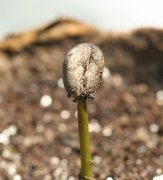
Panamanian Rose Summer Coffee with better knowledge than Blue Mountain
In the early years, the identification of top coffee mostly followed Japan, the king of coffee, the Blue Mountains of Jamaica and Kona, Hawaii, but with the continuous improvement of the standard of coffee-producing countries and the sharing of information, we were exposed to more high-quality coffee. This coffee bean Panama Rose Summer has become the new king of coffee in recent years. Introduction of Geisha varieties: Geisha
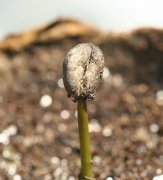
Panamanian Rosa Coffee (Geisha), which is better than Blue Mountain.
In the early years, the identification of top coffee mostly followed Japan, the king of coffee, the Blue Mountains of Jamaica and Kona, Hawaii, but with the continuous improvement of the standard of coffee-producing countries and the sharing of information, we were exposed to more high-quality coffee. This coffee bean Panama Rose Summer has become the new king of coffee in recent years. Introduction of Geisha varieties: Geisha

Ethiopian Coffee introduces African Coffee Flavor sidamo
Ethiopia is one of the major producers of Arabica coffee in Africa, producing the best Arabica coffee in the world. It is said that coffee was first discovered by shepherds in Essekafa, and the name of coffee evolved from Kafa, so Ethiopia is still coffee. Ethiopia is one of the major producers of Arabian coffee in Africa. It produces the best Allah in the world.

Taste characteristics of Ethiopian Coffee Flavor description treatment
Ethiopia's geographical environment is very suitable for coffee growth. Coffee is mainly grown in the southern highlands between 1100 and 2300 meters above sea level. The main coffee producing areas are Harar, Limu, Djimma, Sidamo, Kaffa, Yergacheffe and Wellega. The soil drainage in these areas is good.
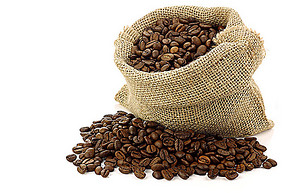
Kenyan Coffee Manor skin, brief introduction of Kenyan Coffee
Following Kaiping (official Wechat account vdailycom) found that the Beautiful Cafe opened a small shop of its own Kenya is a neighbor of Ethiopia, the country of origin of Arabica coffee. The time when Kenya began to grow coffee is said to be at the end of the 19th century. The seeds were brought into Kenya by Christian missionaries and planted in a farm run by that colonial country, but for the second time.

Kenyan coffee beans | History of Kenyan coffee the Kenyan coffee market
Professional coffee knowledge exchange more coffee bean information please follow the coffee workshop (Wechat official account cafe_style) Kenyan coffee history and market although close to Ethiopia, coffee cultivation did not begin until the end of the 19th century, some sources believe that it is the Roman Catholic priest (Holy Spirit Father), while others think that coffee was introduced into Kenya through British colonists.

What are the rules of Ethiopia's 2020 COE Yega Xuefei ranking competition?
In 2020, Ethiopia held COE,COE every year for the first time in coffee producing areas, organized by the non-profit organization ACE in various countries. From thousands of batches, the top 40 batches with scores higher than 6 were selected by the professional jury to enter the international jury, and the top 30 batches with scores higher than 87 were selected.

Ethiopia Sidamo / Rainforest Alliance Mormora Moira Plantation Water washing Bean Red Cherry Project
Professional coffee knowledge exchange more coffee bean information please follow the coffee workshop (Wechat official account cafe_style) Ethiopia Sidamo | Rainforest Alliance Mormora Moira Plantation Water washing beans Red Cherry Project G1 flavor? Ethiopia is the country where coffee was first discovered, and it is still the most important producer and the best country in terms of coffee quality and output.